
Comma butterfly resting on an ivy leaf, discreetly warming in the autumn sun.

I douldn’t decide between the picture with the closer view, or the one with more of the insect’s surroundings.
Wildlife from Wolverhampton and nearby
Comma butterfly resting on an ivy leaf, discreetly warming in the autumn sun.
I douldn’t decide between the picture with the closer view, or the one with more of the insect’s surroundings.

Two of the fast-growing Gloucester Old Spot piglets at Northycote Farm snuffling through squelchy mud in search of bits of their feed which had got buried.
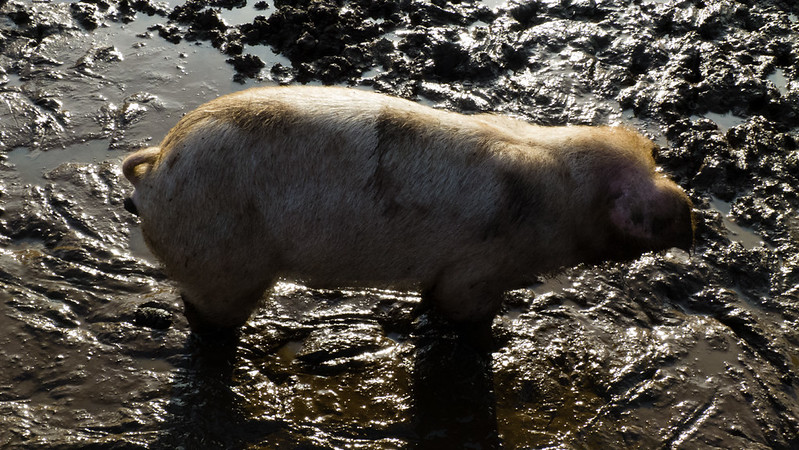
Some of the piglets had been doing exactly the same on my previous visit to the farm.
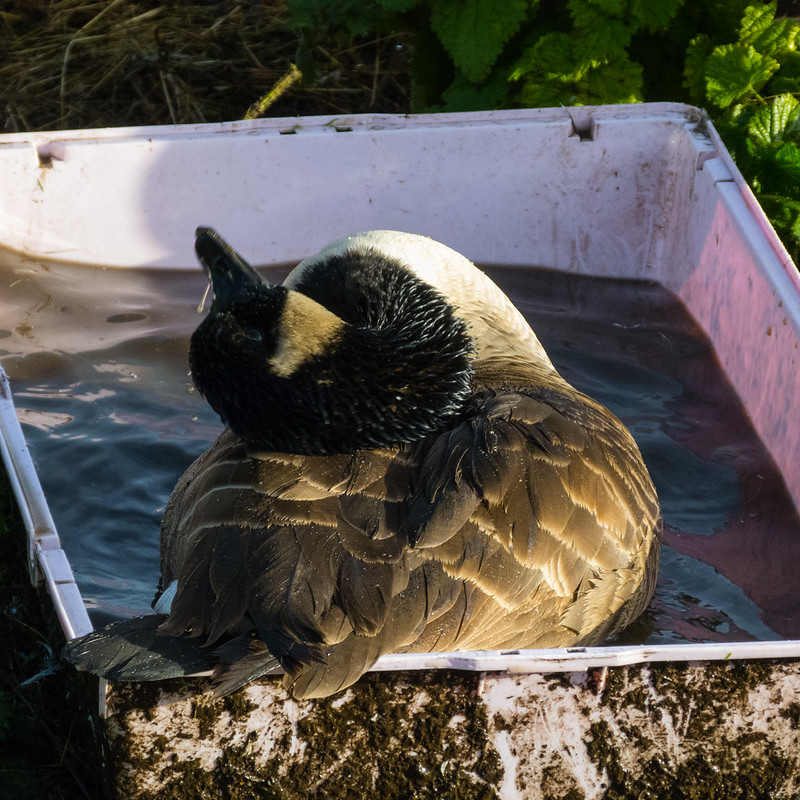
Canada goose stretching as it bathes in the drinking trough of the duck pen at Northycote Farm.
Moments earlier, one of the ducks had been bathing alongside it, only to get out of the water as I reached for my camera.
The contorted position of the goose only lasted for a few seconds.

Verdigris mushrooms get their name from their green colour, which looks more like the patina formed on copper than the shade of any other living thing.
The colour is strongest on young fungi. Then it fades, or washes away in rain.
They have been one of the species which has been more common than usual this autumn. Today’s pictures feature some of the verdigris mushrooms from a group growing a few yards from Compton Lock, and a single individual which was by one of the hedgerows on Northycote Farm.

Ash keys in profusion hanging down from twigs on a tree by the canal at Catlecroft.
Apparently some people mistake this perfectly healthy stage which happens every autumn for the shrivelled and darkened leaves which are a symptom of the attack of the fungus which causes ash dieback.

Huge bolete fungus – one of the caps was over a foot in diameter.
Boletes are fleshy mushrooms that have pores on the underside of their caps rather than gills.
They may have been ceps (also known as penny buns, Steinpiltz), a wild mushroom favoured by gourmets. If so, these should still have been avoided. They were growing on an island in the middle of a busy road. Fungi concentrate any pollutants in the environment where they are growing.