
Starting to flower as autumn turns to winter, fatsia. There are several bushes scattered around West Park. These pictures are of the same group of flowers from different angles.
Starting to flower as autumn turns to winter, fatsia. There are several bushes scattered around West Park. These pictures are of the same group of flowers from different angles.
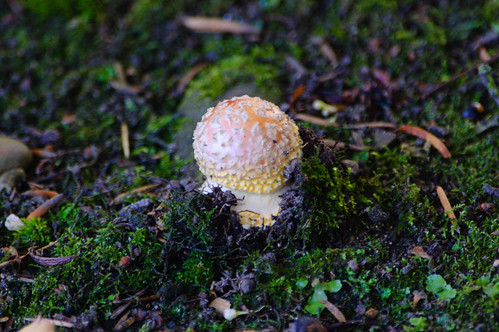
Lone fly agaric toadstool I noticed at the start of this month, growing in the grounds of Compton Hospice right by the main road. December is a little late for mushrooms of this species.
The first two pictures in this set are of the same mushroom, taken from slightly different angles. They were taken on December 1st, probably the day it emerged. The other pictures are of the same mushroom three days later, again from two different angles.
It was only when I got home and compared the pictures that I realised there had been any growth at all.
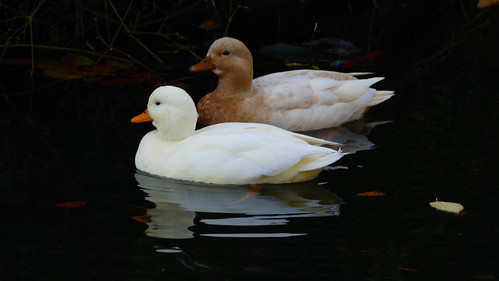
Pair of ducks which were swimming on the pool in Priory Park, Great Malvern. Does anyone know what species they are?

Seed heads from bullrushes on the Compton Park pool. The fleecy material straggly: birds have pecked at the plants to get at the seeds. Probably the small flock of goldfinches which haunt the area, also enjoying, in the appropiate season, the seeds of the many thistles and the few teasels.

As ever, the local robins are refusing to cooperate in posing for a Christmassy picture standing on a holly bush. But this one was singing defiantly on the branch of a bramble growing by the path across the Smestow Valley Nature Reserve’s Sandfields.

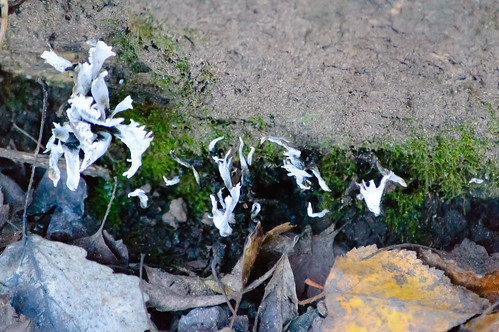
Stag’s horn fungus, also known as candle snuff fungus. Tiny fruiting bodies growing on dead, sometimes underground, wood. They grow all year round, but are much more visible in the autumn and winter when less likely to be hidden by vegetation.