
Robin on a tree in Bridgnorth Castle grounds, making noisy subsong, undisturbed by people close by.
Robin on a tree in Bridgnorth Castle grounds, making noisy subsong, undisturbed by people close by.

Two species of mushroom growing as neighbours on wood chip mulch by the Severn at Bridgnorth. Japanese umbrellas are delicate-looking inkcaps. Redlead roundheads originate in Australia. They have only been recorded in Britain in recent decades, and are still spreading rapidly, growing on wood chippings.
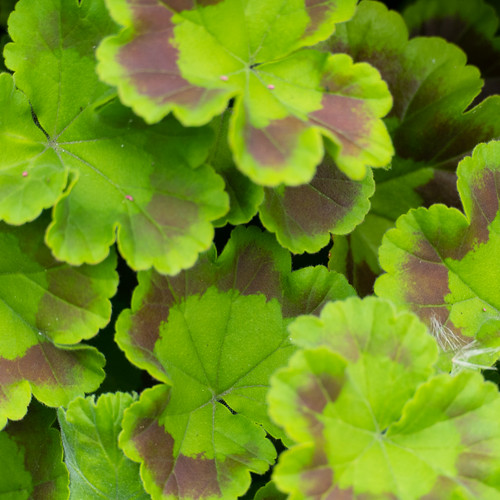
I ignored the showy flowers for the subtler colours of these pelargonium (geranium) leaves.
ttps://www.flickr.com/photos/davea2007/44356325151
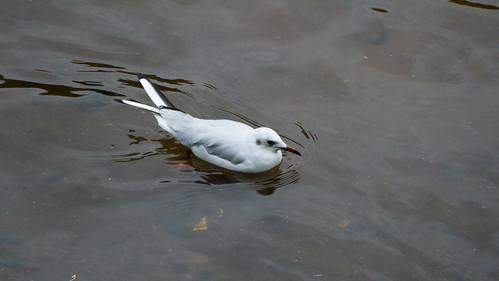
Black-headed gull swimming in the Severn at Bridgnorth. For some reason it appeared to have an untypical long, forked and white tail.

Insect – I totally gave up trying to identify it. It was resting up for the day on the inner wall of the church porch at Chipping Norton, its colour blending with that of the stonework. If it hadn’t shifted slightly, it would probably have escaped notice.


Sandy stiltballs, a very rare fungus – the current record stands at exactly 200 confirmed sightings ever in Britain. Even for a fungus, it looks as strange as it is rare. The tall stem resembles a series of long splinters compressed together, and already beginning to fray slightly. At the top what looks like damp sand compressed into a ball is actually a mass of spores. It prefers very dry sandy soil (half-hidden under hedgerows in the ones I’ve seen). So there are clusters of sandy-coloured fruiting bodies in a patch of sandy-coloured fallen spores, growing out of slightly paler sandy-coloured soil.
I recently posted about a patch of these stiltballs which I discovered growing by a lane in south Shropshire in 2011, and how they were last seen in 2014. Lo and behold, another patch, just a few miles distant. When these pictures were taken in late August, there were forty or so fruiting bodies by a south Shropshire roadside .