Devon, February 2022: rock samphire

Devon, February 2022:rock samphire

Samphire. Not the stuff which pops up on restaurant menus, which is marsh samphire. This is rock samphire, which gets a mention in King Lear, growing on the beetling cliffs of Dover.

This, more prosaically, was growing by the wall by the Goat Walk at Topsham.

Devon, February 2022: dunnock display

Devon, February 2022: dunnock display

Dunnock singing loudly in the land running along the RSPB reserve at Bowling Green Marsh, Topsham, defending its territory and advertising its presence.

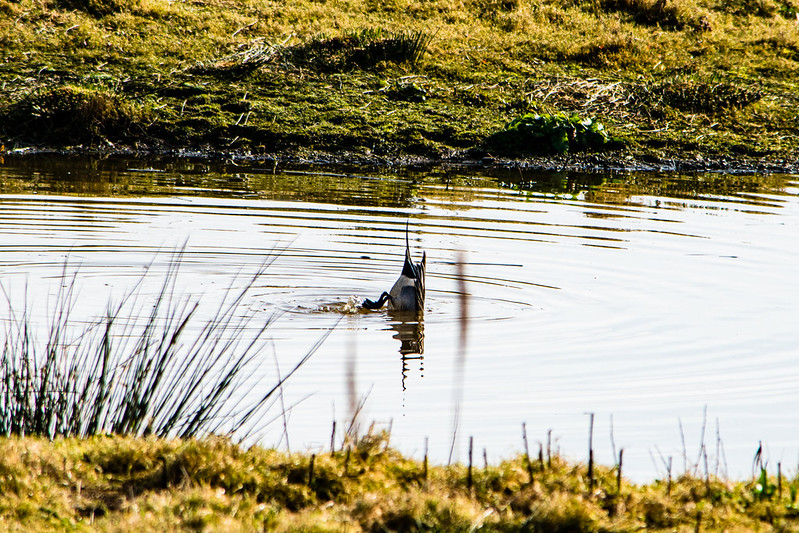
Devon, February 2022: pintails

Devon, February 2022: pintails

The RSPB reserve at Bowling Green Marsh, Topsham, has an open access hide with scrapes right below the viewing windows. It’s often possible to get good views of ducks or waders in this part of the marsh, and reasonable pictures even with a medium powered telephoto lens. That was what I had for these pintails.

Devon, February 2022: mimosas, flowering

Devon, February 2022: mimosas, flowering

Mimosas are tropical trees. They can be grown outside in Britain in places with particularly mild winters. But even there they are vulnerable to untypical cold spells.

These trees can be seen while wandering the streets of Topsham. They looked very unhappy in the aftermath of the heavy snows of the “beast from the east”, which came in about this time of year a few years ago, but now look like they have fully recovered.

Devon, February 2022: turnstones

Devon, February 2022: turnstones

Turnstones get their name from their habit of turning over large pebbles in the inter-tidal zone in search of crabs and other invertebrates underneath. Low tide, off the Goatwalk at Topsham doesn’t have such loose stones. So this small group of turnstones (four or five altogether) were exploring clumps of seaweed, presumably in search of the same prey.