
Not an apple, but a mutant leaf forming the cradle for the larva of a gall wasp.
The hole is where the larva eventually came out.
Wildlife from Wolverhampton and nearby
Not an apple, but a mutant leaf forming the cradle for the larva of a gall wasp.
The hole is where the larva eventually came out.
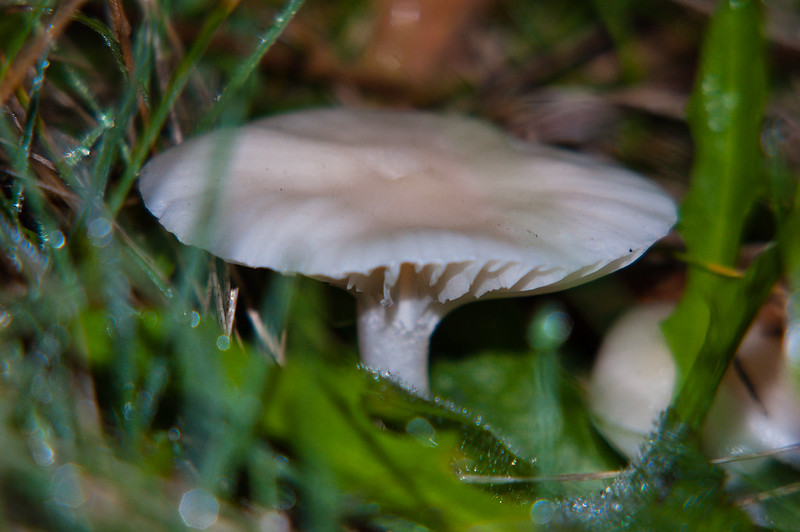
The snowy wax cap, Hygrocybe nivea, is bright white in colour.
Despite this, it can be hard to spot lurking in short grass in places like sportsfields or lawns.

Bright colours aren’t always a sign that something should not be eaten.
During the second world war, schoolkids were sent to pick rosehips, which are a rich source of vitamin C.

This tiny and brightly coloured mushroom doesn’t have a common English name. Bolbitius vitellinus can be found hiding in short grass. Like many things in nature, its colour is the clue that it shouldn’t be eaten.

These mushrooms, growing through moss, were only about a quarter of an inch high.

This moth was attracted to settle on a window by the brightness of the house lights.
The feathery antenna is a characteristic feature of this species.