Categories
David

Hydrilla verticillata

Hydrilla verticillata

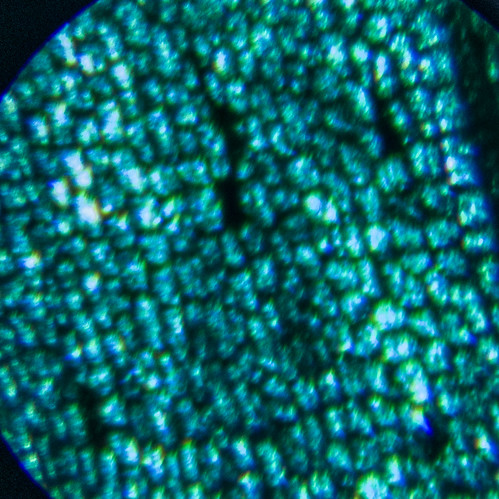
Photomicrographs of Hydrilla verticillata at different magnifications. The subject is a plant, native in a wide zone of Eurasia from Poland to India, but now introduced and an intrusive waterweed in much of the rest of the world.

Taken using a National Geographic branded microscope with its digimicroscoping* attachment. The microscope is designed for use by children, and occasionally appears in the special offers aisle at ALDI. Today’s pictures feature one of the prepared slides which is included in the purchase.

* My coinage, on the model of digiscoping, where birders put their mobile’s phones up to the eyepiece of their telescope to picture birds.
Categories
David

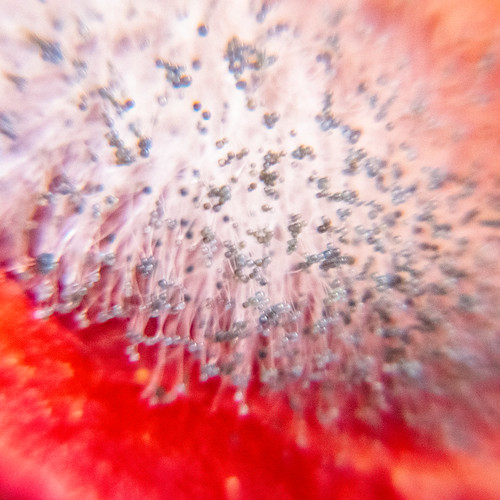
Fungus growing on a red pepper

Fungus growing on a red pepper

A fungus growing on the inner surface of a red pepper which had been left exposed for some days. I’m guessing that the liquid-seeming ends of the strands hold the spores.

Categories
David

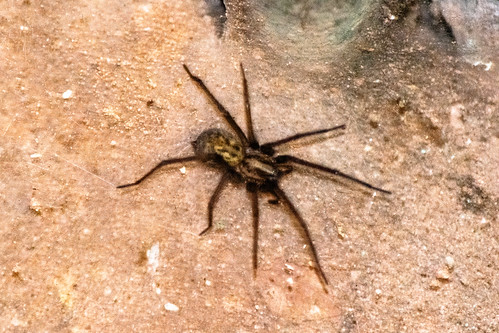
Giant(ish) house spider

Giant(ish) house spider

Quite impressively big, but not actually a giant, a house spider in a house.

Categories
David

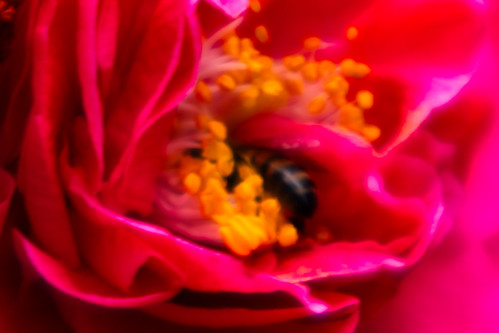
Honey bees diving deep in camellia flowers

Honey bees diving deep in camellia flowers

During pauses in the persistent rain, honey bees out gathering pollen. They were diving deep into some camellia flowers to get their pollen baskets packed even fuller.

Categories
David

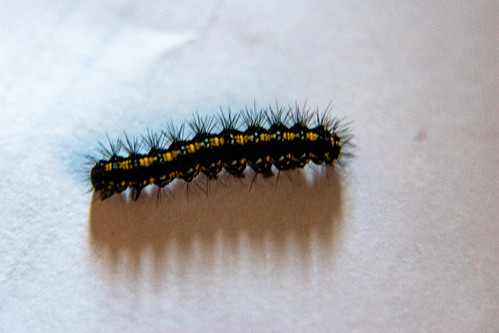
Black and yellow for danger: scarlet tiger caterpillar

Black and red for danger: scarlet tiger caterpillar

One of nature’s standard colour-coded warnings: black and yellow stripes equals danger. This scarlet tiger moth doesn’t sting. The coarse bristles probably already make it unpleasant to eat. Anything which tries to eat it anyway would get bigger problems. The caterpillar is poisonous.

Categories
David

Red pepper seeds

Red pepper seeds

In close-up view, the tiny seeds in the inside of a red pepper remind me of nothing so much as rows of standing stones.