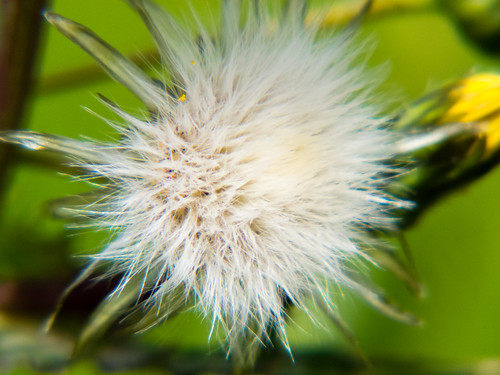
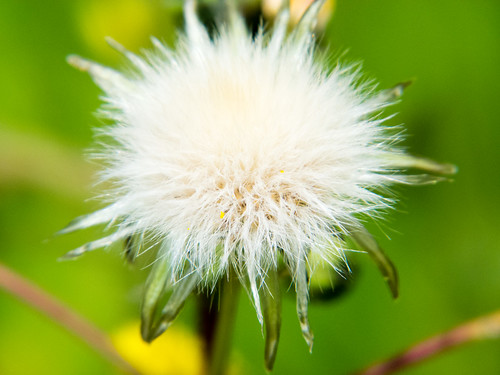
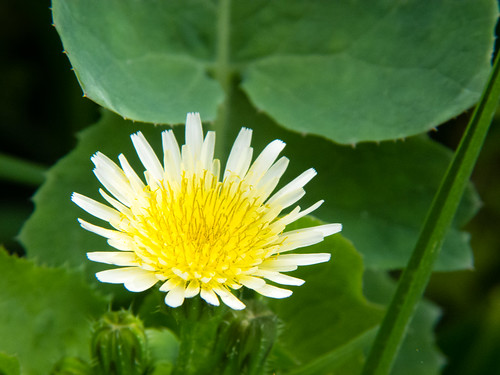
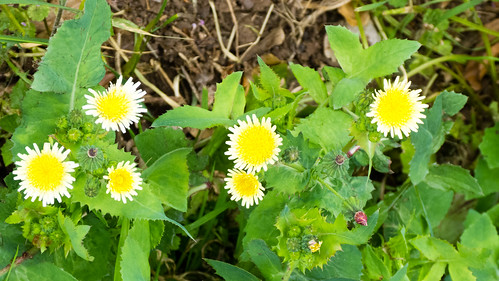
The flower usually looks somewhat like a small dandelion growing on stems which can reach a couple of feet. The white filaments for dispersing the seeds over the breeze are at first glance like a dandelion clock. Get nearer, and they appear finer and silkier than dandelion parachutes.
Varicoloured sow thistle flowers
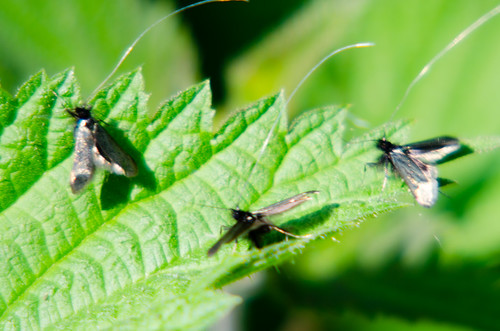
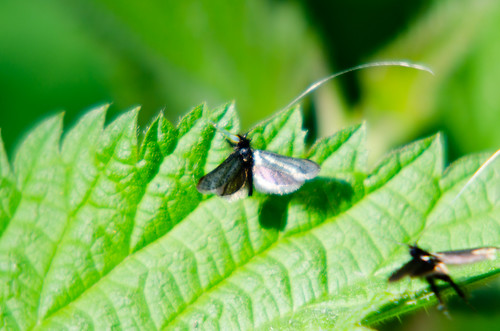
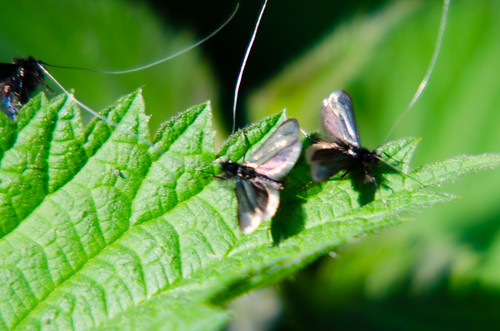
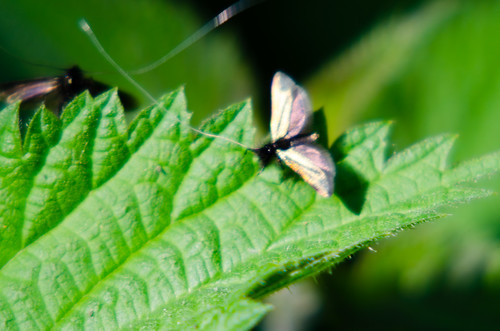
Longhorn moths
On a walk through Cotwall End LNR towards the end of May I spotted these crowds of day-flying moths which had antennae much longer than their bodies. Every so often they would settle on whichever set of nearby leaves were about waist height.
Most of the groups were under trees which put them into deep shade. This group was the exception: they were in a clearing with a nettle patch by the path. The pictures don’t do justice to the iridescence of their wings and bodies.
They are male longhorn moths, probably Adela reaumurella as far as I can tell.
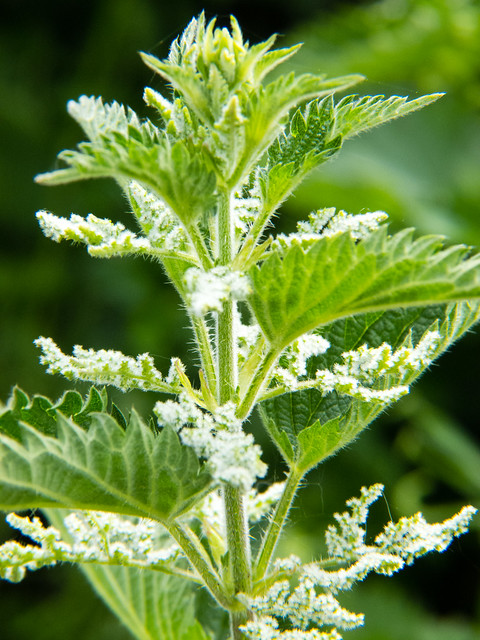
Nettle flowers catching the sun
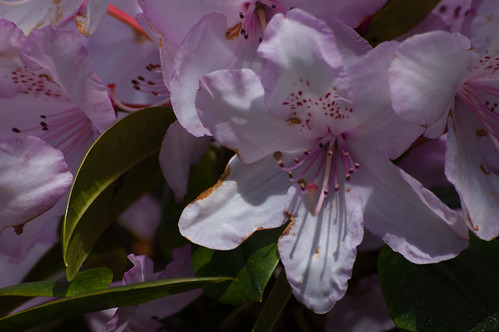
Rhododendron flowers
From a Stratford garden
The gardens of the Shakespeare Birthplace Trust in Stratford on Avon mainly feature plants which would have featured in Elizabethan/Jacobean gardens. The pictures here were taken in Hall’s Croft, the house of Shakespeare’s eldest daughter and her husband.
At the centre of the lawn at Hall’s Croft is a medlar: a tree once grown for its fruit, which are now a culinary rarity. This flower was already beginning to go over.
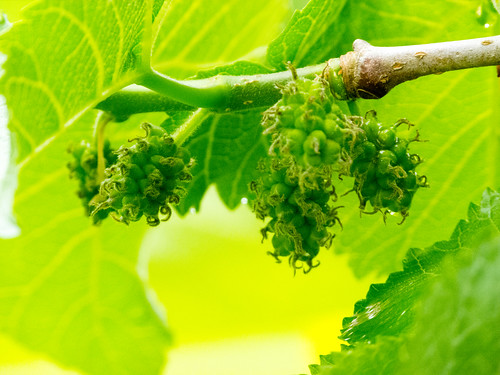
These are unripe mulberries
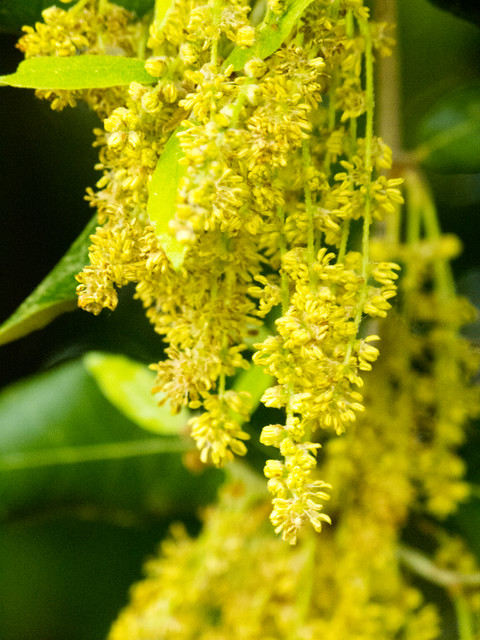
These are flowers of the holm oak, an evergreen. It probably didn’t feature in Stratford gardens during Shakespeare’s lifetime – it is originally from the Mediterranean, and most likely introduced into Britain in the seventeenth century.