Exe 2015: Spring is in the air, corvids

Spring is in the air: carrion crows

Members a of the crow family are not normally considered cute enough to be candidates for Valentine’s Day images.

Here are magpies on a branch and carrion crows on the ground, strengthening their pair bonds a few days ago.

To the naked eye, the carrion crows looked like they were kissing.

Spring is in the air: magpies

Exe 2015: Dawlish Warren views

Langstone Rock from Dawlish Warren

Dawlish Warren attracts visitors because of the birds and plants on the nature reserve and (especially once warmer weather returns) the long sandy beach.

But there are also magnificent views. Southwest is the sandstone cliff with a natural arch at Langstone Rock, screening Dawlish itself from sight.

In the distance across the estuary is Starcross. The building here with the tall tower is not a church, but the one-time home of Isambard Kingdom Brunel’s Atmospheric Engine – a scheme to power a railway without locomotives by using air pressure.

Exe 2015: February violets

February violets

The mild climate on Devon’s south coast means a few violets start flowering in the first half of February.

Exe 2015: Exe and Clyst estuaries

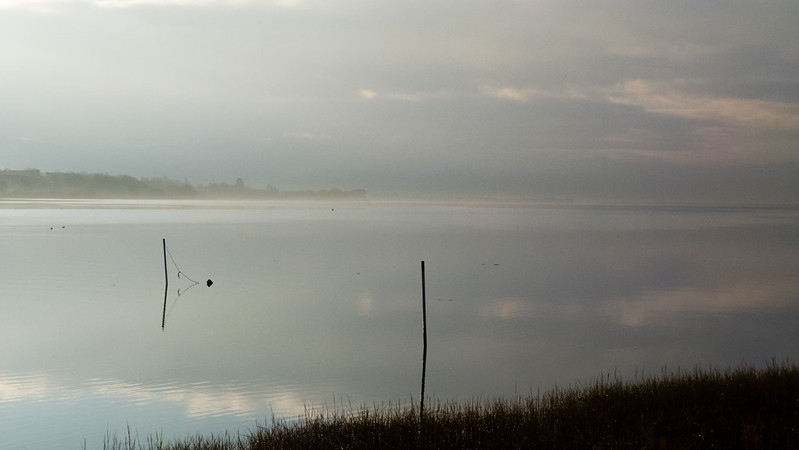
Clyst estuary, misty morning

Most years we visit the Exe estuary in February, to see the overwintering birds before they head off for their summer quarters, and to see spring flowers like violets and daffodils beginning to bloom when they are just throwing out their first leaves in the midands.

Much of the Exe estuary downstream of Exeter is now bordered by a string of RSPB reserves, culminating in the NNR at Dawlish Warren where the river empties into the sea.

These pictures of the Exe and its tidal tributary the Clyst were taken from shorelines near the their confluence at Topsham.

Horses hoof on fallen trunk

Horses hoof on fallen trunk

Horses hoof fungus growing on a fallen tree trunk in a wooded area by the River Severn at Bridgnorth.