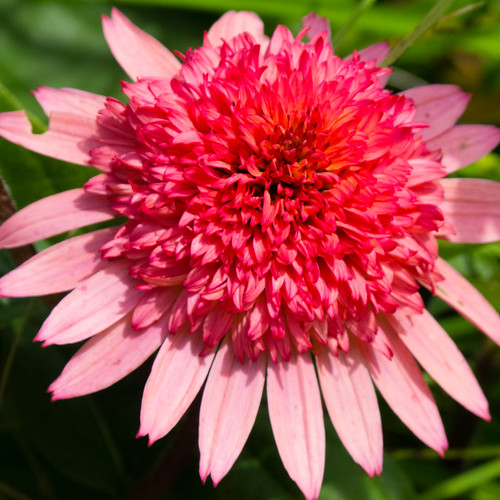
From the ever-changing flowers on display in the gardens of the Shakespeare Birthplace Trust’s New Place, some red zinnias.
From the ever-changing flowers on display in the gardens of the Shakespeare Birthplace Trust’s New Place, some red zinnias.
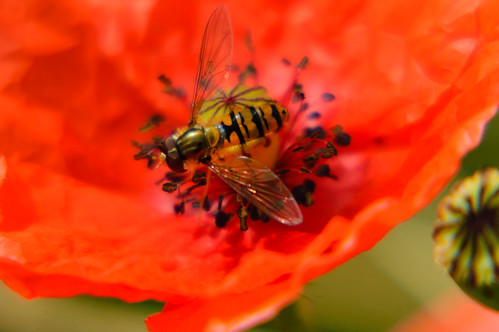
Marmalade hoverfly male visiting one of the poppies in flower in the wildflower area of Bantock Park late last month.

Flower bud and distinctive bell-shaped flower of a clematis in a front garden opposite one of the entrances to Bantock Park recently.

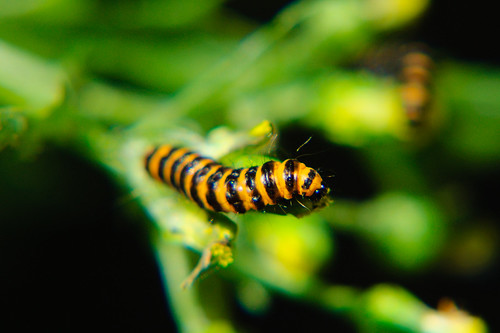
Two cinnabar moth caterpillars eating avidly at a groundsel plant. Groundsel is related to the ragworts. Like them it has noxious alkaloids to discourage predators, recycled by the moths to repel its own would-be predators.

Artichoke flowering, looking like a thistle on steroids – it is indeed related to thistles. The edible part is the bud before the flower has begun to open.
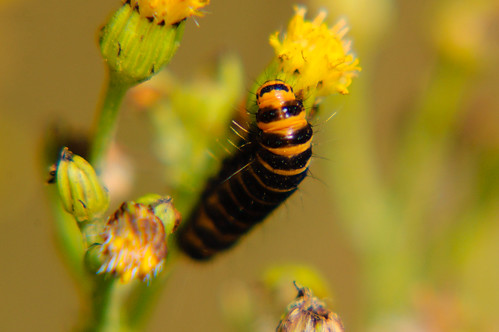
Ragworts include poisonous substances (though they are not as deadly as some scare stories claim). The main food plant for cinnabar moth caterpillars like the one featured here are those self-same ragworts.
The caterpillars are not harmed by the ragwort poisons. Rather they retain and concentrate these poisons in their bodies. Their defence against predators is to adopt bright warning colours: yellow and black in the caterpillars, scarlet and black in the day-flying adult moth. The message is: eating me will be unpleasant, or worse.