
The erratics featured in the previous post have a rich crop of lichens growing on them: an indication that the air there can’t be very polluted. This is one patch of the lichen on the largest stone.
Wildlife from Wolverhampton and nearby
The erratics featured in the previous post have a rich crop of lichens growing on them: an indication that the air there can’t be very polluted. This is one patch of the lichen on the largest stone.

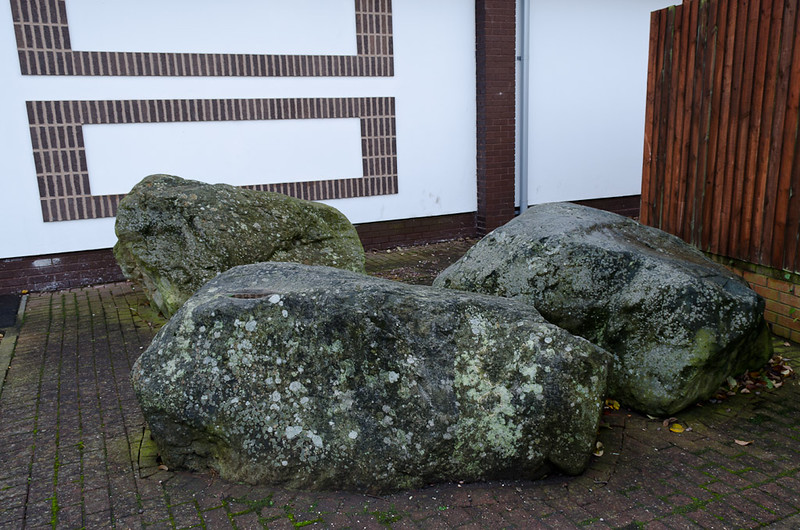
Three large erratics which have been tidied away to a quiet corner of the car park of the Aldi supermarket now on the site of the former Fighting Cocks pub.

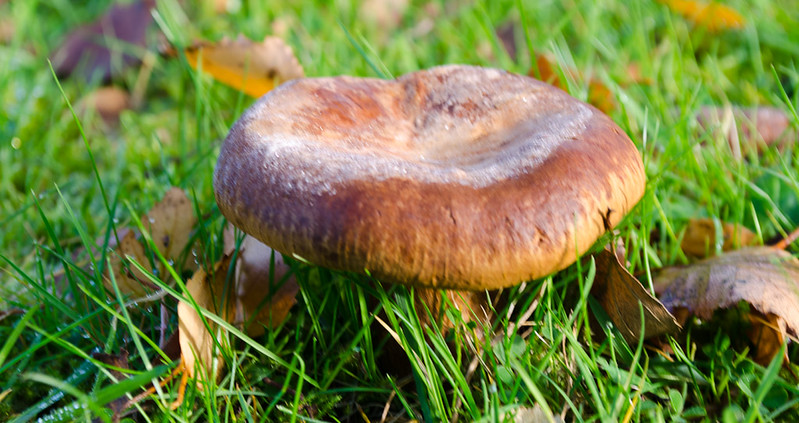
A common mushroom which can appear pretty much any time in the second half of the year. Brown roll rims have a mutually beneficial relationship with many types of trees. The underground section interpenetrates with the roots of the host tree. The fungus uses the tree as an energy source, and in return gives up minerals which it has got by breaking down dead organic matter in the soil.
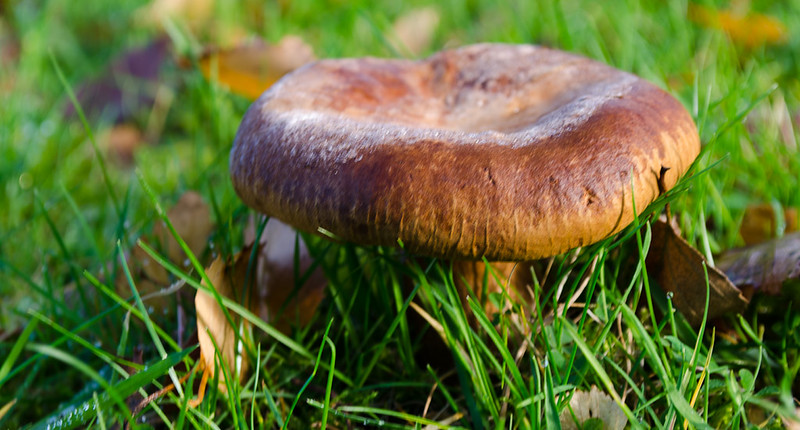
The funnel shape of the cap is often more pronounced than in these specimens.


Two of the exposed, partially overgrown, rock faces on the former quarry on Barrow Hill, in the LNR of the same name in Pensnett.
The quarry was for a hard rock of volcanic origin, diorite, which is a form of basalt. Dudley Council market Barrow Hill as the “Dudley volcano” (it erupted300-odd million years ago).
Diorite was also quarried just across the borough border in Sandwell, where the Rowley Hills were the source of Rowley Rag.


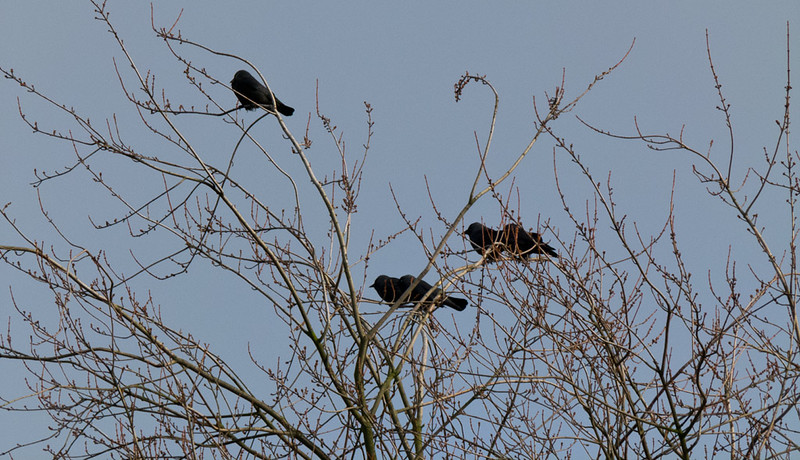
Members of the crow family tend to be sociable birds. These pictures are of about half of a flock of jackdaws. Two members of the flock were also featured eating alongside gulls a couple of days ago.


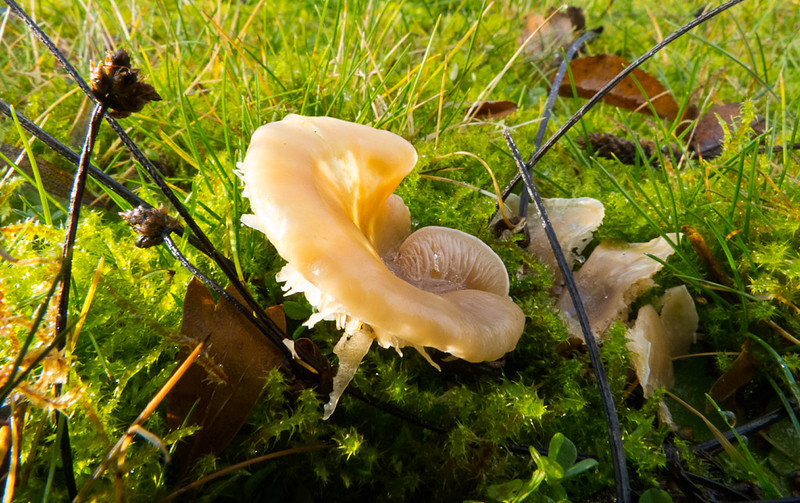
Like yesterday’s mushroom, these waxcaps have a viscid surface because they are moistened by the melted frost from the previous night. They were growing in the same patch of mossy grass as that mushroom.

The pictures were taken during December’s cold spell, not the current one.

