Categories
David

Mushroom with a fibrous-looking cap

Mushroom with a fibrous-looking cap

Towards the end of October, a belated fungi flush finally got underway. There were some common and familiar species, and other species which I don’t remember having seen before.
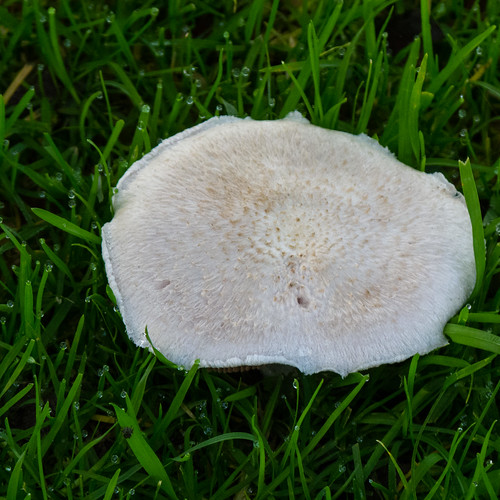
Mushroom with a fibrous-looking cap

This is a species I failed to identify. As so often with this year’s pictures, it was taken on a morning after overnight rain.
Categories
David

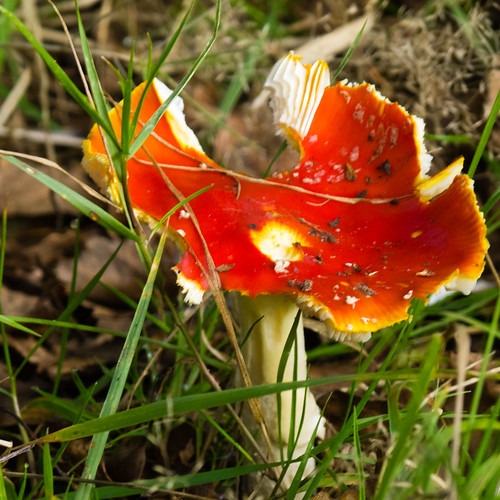
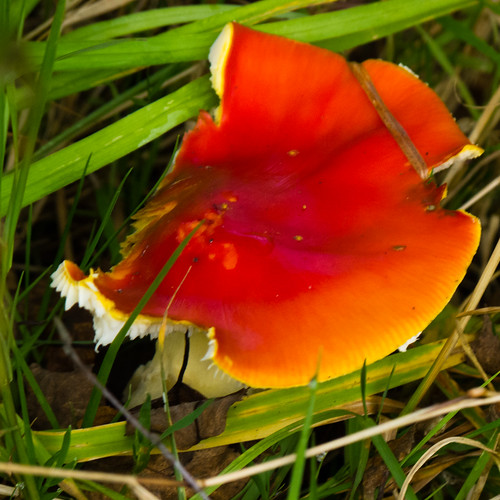
Well-nibbled fly agarics

Well-nibbled fly agaric

Being half-hidden in grass hadn’t protected these fly agaric mushrooms from being eaten.

Well-nibbled fly agaric

Categories
David

Dragonfly resting, Castlecroft

Dragonfly resting, Castlecroft

This dragonfly landed on the parapet of the bridge which carries Castlecroft Road over the Smestow Valley Railway walk just as I was taking the pictures which featured in the previous post.

Dragonfly resting, Castlecroft

It didn’t seem at all worried as I turned my camera in its direction and took a series of pictures.

Categories
David

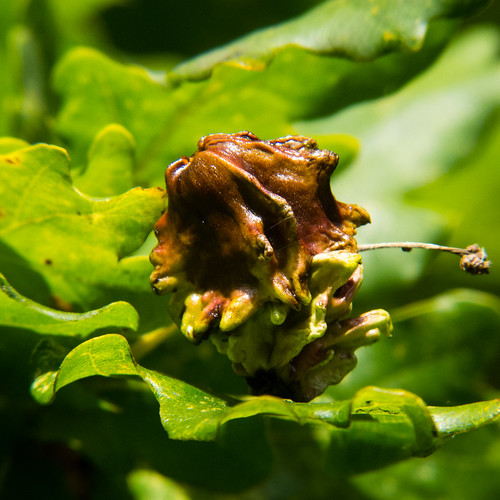
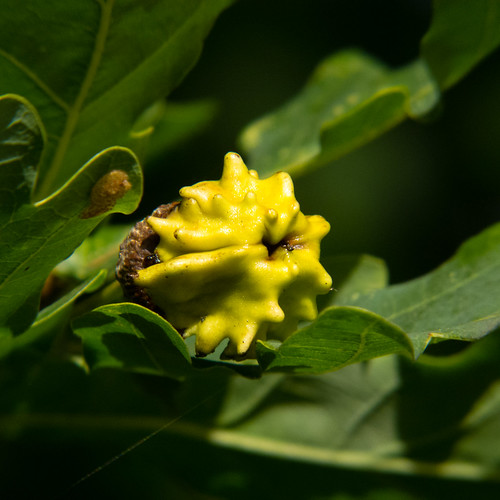
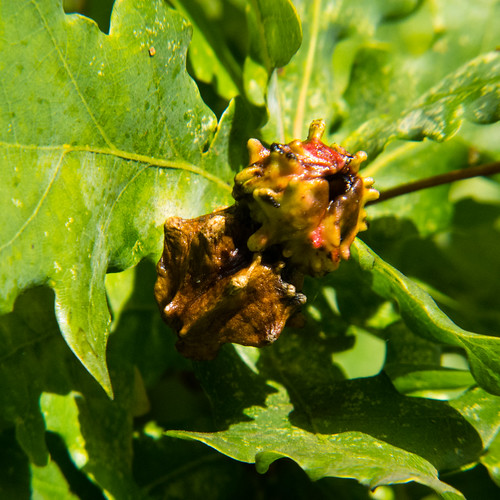
Knopper galls

Knopper gall

Distorted acorns produced when a tiny wasp lays her egg in them.

Knopper gall

Growing on one of the oak trees by the Smestow Valley Railway Walk, right by Castlecroft Road. The view from the bridge put me on the level with the acorns.

Knopper gall

According to sources elsewhere on the web, there are occasional years where these galls are very common. I don’t remember ever having seen them before. As far as I could see, every acorn on that oak was affected. I’ve been looking round at other local oak trees since, any not seen any more of these galls – though I haven’t seen many normal-looking acorns either.

Categories
David

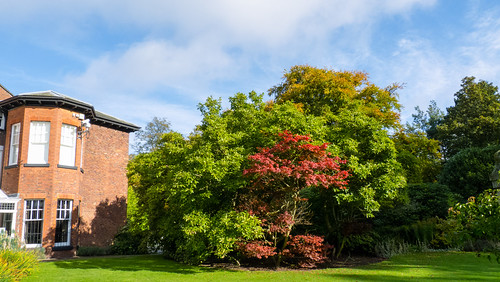
Autumnal trees, Bantock Park

Autumnal trees, Bantock Park

Some of the trees right by Bantock House as they began to change colour recently, spotted on the same day as the trees in the picture posted yesterday.

Categories
David

Blackening waxcaps on a lawn

Blackening waxcap on a lawn

Waxcaps are small, often brightly coloured mushrooms. The blackening waxcap is yellow at first, and gradually turns completely black.

Blackening waxcap

The change in colour has only just begun in the first mushroom – at the peak of the cap and where a section of the rim has been nibbled. The other, pictured at the same time, is already somewhat darker.