
The meadow brown butterflies seem to be acting particularly wary this year. This one kept fluttering by keeping its distance.

And this one kept landing in long grass, as if trying to be too inconspicuous to be seen but still able to bask in the sun.
Wildlife from Wolverhampton and nearby
The meadow brown butterflies seem to be acting particularly wary this year. This one kept fluttering by keeping its distance.
And this one kept landing in long grass, as if trying to be too inconspicuous to be seen but still able to bask in the sun.

Great willowherb, seen over a couple of visits to the Compton Park pond. During theis time, the flowers went from buds about to open, through to fully open and already fertilized by visiting insects.

This year’s greylag goslings in West Park. All of them and both sets of parents were together in a very spread-out group, not just those pictured here.
They’ve grown so fast, they are now as big as the older birds. It’s now quite hard telling which ones are the young. Slight differences in the patterns of the plumage, and the colour of the legs. The easiest way was watching their behaviour. They younger were giving all their attention to eating. The older ones were focused on watching for danger, just having an occasional nibble.
UPDATE: These pictures were taken at the very edge of June. I visited the park early this morning, and saw a flock of twenty-four greylags grazing on one of the areas of short grass. That’s a much bigger group of greylags than I’ve ever seen in the park previously. It presumably included this year’s goslings. If so, I couldn’t tell which ones they were, though someone who knows more about birds might have been able to.

Meadowsweet flowers, green while still buds, a froth of white once they have opened.


A comma butterfly using its long proboscis to geed on the flowers of a bramble and a dog rose on the Barley Field.
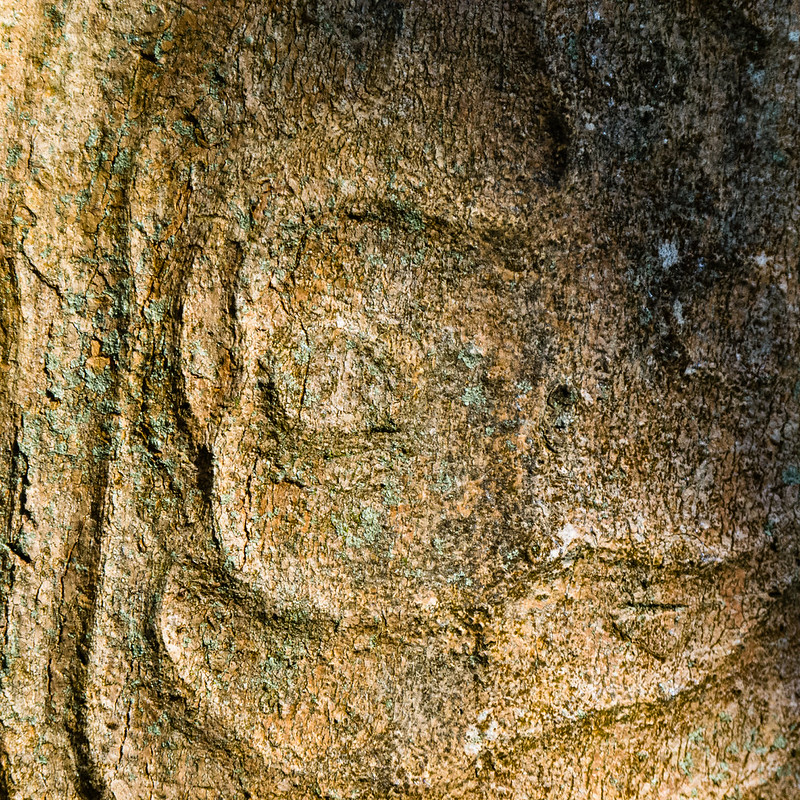
By Mops Farm Bridge there’s an unofficial connection between the canal towpath below and a bridleway which crosses over. One of the trees there has lost several patches of bark, showing these low ridges in the wood of the trunk underneath.