
This short stretch of canal between two of the Stourbridge locks is much wider than it is long so as to act as a small reservoir.
Wildlife from Wolverhampton and nearby
This short stretch of canal between two of the Stourbridge locks is much wider than it is long so as to act as a small reservoir.

The 6-spot burnet is a vividly-coloured, day-flying moth.

By my count, this one has five spots on each wing. This is not unusual.

This series of pictures are all of the same individual. They show how the colours, especially the iridescent blue, varied dramatically as it moved very short distances as it fed on the knapweed flower.


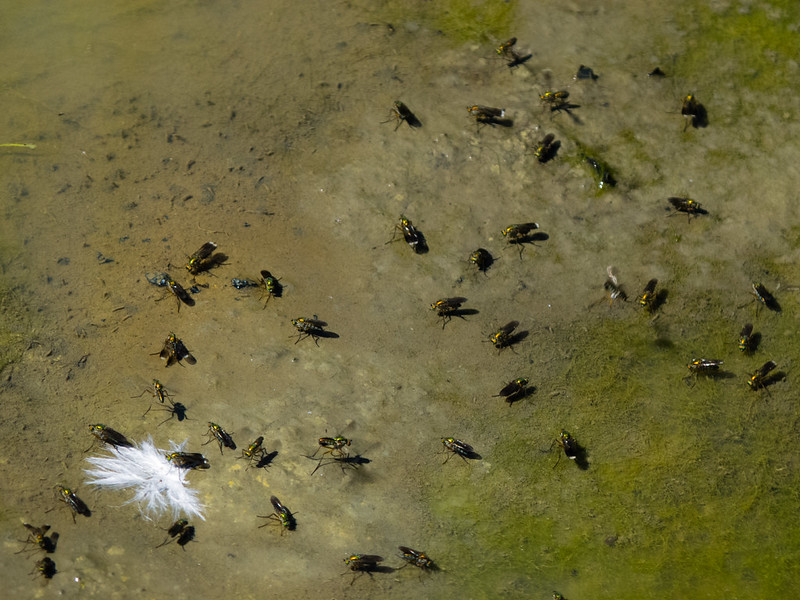
These flies (species unidentified) had gathered in some numbers on the damp clay margin of a pond in the Barrow Hill LNR, Pensnett.


The young of a harlequin ladybird.
These insects are the fastest spreading non-native species in Europe and the most invasive ladybird in the world. It is reckoned to threaten the survival of 1,000 native insect species.
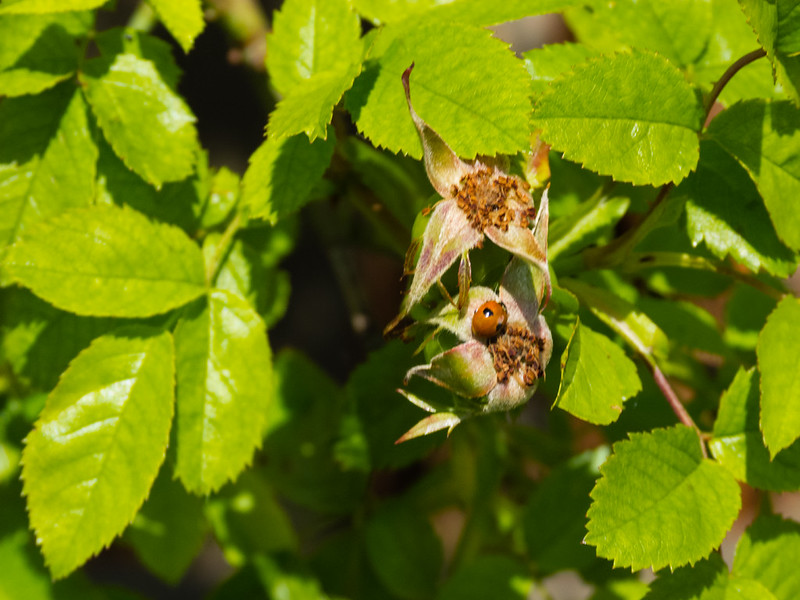
This tiny ladybird resting on a wild rose bush lives up to its name with just one spot one each wing.

The insect resting on the nettle leaf (above) may be a blue-tailed damsel fly.
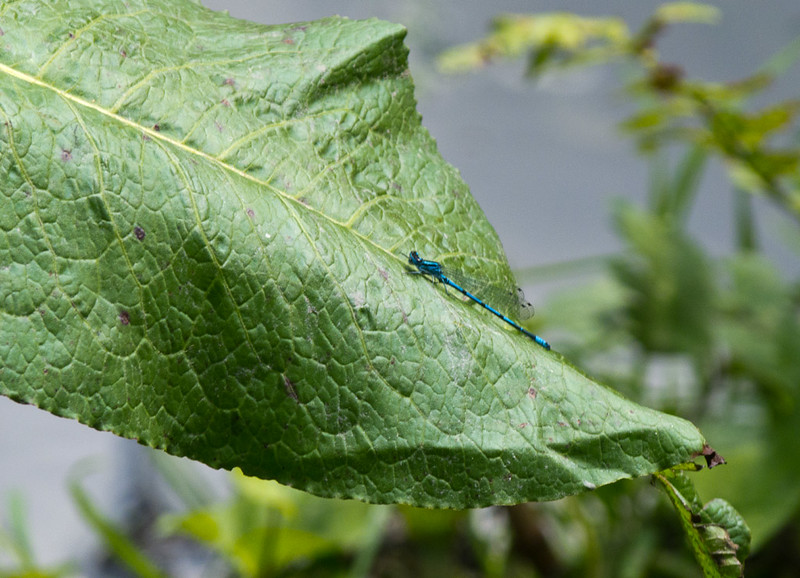
The one on the dock leaf and the one flying through reeds were both at the same pool. They are common blue damsel flies.

All three were pictured on the same mid-June day in the Buckpool LNR, Wordsley.